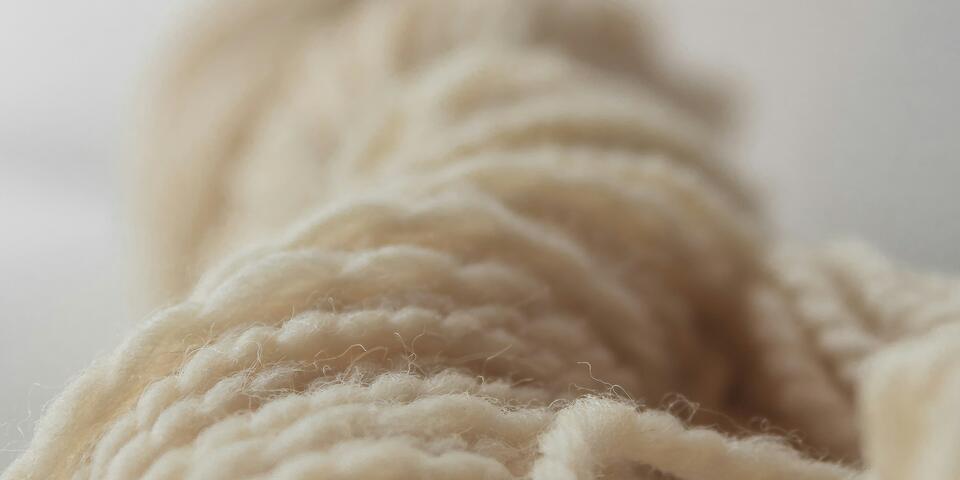
Wool & Mohair
A fondness for fuzzy knits like mohair, angora and chunky wool sweaters, loved for their softness, tickle and cozy warmth.
What it is
For some people, nothing beats a big, fluffy sweater. A wool and mohair fetish is an attraction to knitted and woolly garments, often the fuzziest kinds: mohair and angora with their soft halo of fibers, chunky cable knits, turtlenecks, long scarves and snug knitted hats. The appeal is usually a mix of look, warmth and that distinctive soft tickle against the skin.
Tastes vary a lot. Some fans adore the fluffy, almost cloud-like look of long-haired mohair. Others love the weight of a heavy wool jumper, the coziness of being bundled up, or a partner who looks irresistible in a fitted knit. Many people find the interest wonderfully wholesome, since it fits easily into everyday life and colder seasons.
Why people enjoy it
- Fuzzy fibers create a gentle, tingly sensation that many find soothing or exciting.
- Wearing or hugging someone in a thick sweater feels warm, safe and comforting.
- Knitwear shows off shape in a soft, understated way.
- Seasonal rituals, like cozy autumn and winter dates, add nostalgia and charm.
- Hand-knitted pieces carry the care and time of whoever made them.
How people explore it
- Cuddling up together in oversized sweaters or under a wool blanket.
- Choosing mohair or angora knits as a soft, playful outfit for a date.
- Using knitwear for gentle sensation play, such as brushing a fuzzy sleeve along the skin.
- Knitting for a partner, or wearing a sweater they made.
- Collecting vintage or handmade knitwear in favorite textures and colors.
Terminology
- Mohair
- A silky, fluffy yarn made from the hair of the Angora goat.
- Angora
- An extremely soft, fuzzy yarn made from the hair of the Angora rabbit.
- Halo
- The fine cloud of fibers that rises from fuzzy yarns like mohair.
- Chunky knit
- Thick yarn knitted on large needles, creating bulky, cozy garments.
A little history
People have spun and knitted wool for thousands of years, mainly for warmth. In the 20th century, knitwear also became fashion: fitted sweaters were a signature of mid-century glamour, and fluffy mohair jumpers were popular in the 1950s and again in the 1980s. Online communities in the 2000s gave fans of mohair and angora a place to share photos and appreciation, often with a warm, good-humored tone.
Consent & safety
Consent
Fuzzy fabrics can be blissful for one person and unbearably itchy for another. Ask before brushing knitwear against someone, respect sensory dislikes and check inCheck-inA quick pause or question to make sure a partner is still okay and enjoying things. Check-ins can be verbal, like asking for a color or "how are you doing?"…Read more about Check-in during any play that combines knits with touch or restraint.
Safety tips
- Wool and mohair hold a lot of heat. Avoid layering heavy knits indoors for long periods and take breaks to cool downCool-downThe gradual easing-off at the end of a scene before it fully stops. After intense sensation, a top might return to gentler strokes, rubbing or holding; after…Read more about Cool-down and drink water.
- Some people are sensitive to wool fibers or to lanolin, the natural oil in sheep's wool, so test a small area first.
- Don't pull sweaters, hoods or scarves over the face for long, since fine fibers and thick knits make breathing harder.
- Never wrap scarves around the neck tightly during play.
Risks to know about
- Itching, rashes or allergic reactions to fibers or lanolin.
- Overheating when bundled in heavy knits.
- Restricted breathing if knitwear covers the face.
New to all this? Read our consent & safety basics.